

Eco Friendly Food Packaging






Why Switch to Eco Friendly Food Packaging
The kitchen is one of the biggest sources of single-use plastic in most households. Cling film can't go in the recycling bin. Standard freezer bags aren't reusable. Sandwich bags are used once and binned. Most of this plastic is made from virgin materials and ends up in landfill or incineration, regardless of the bin it ends up in.
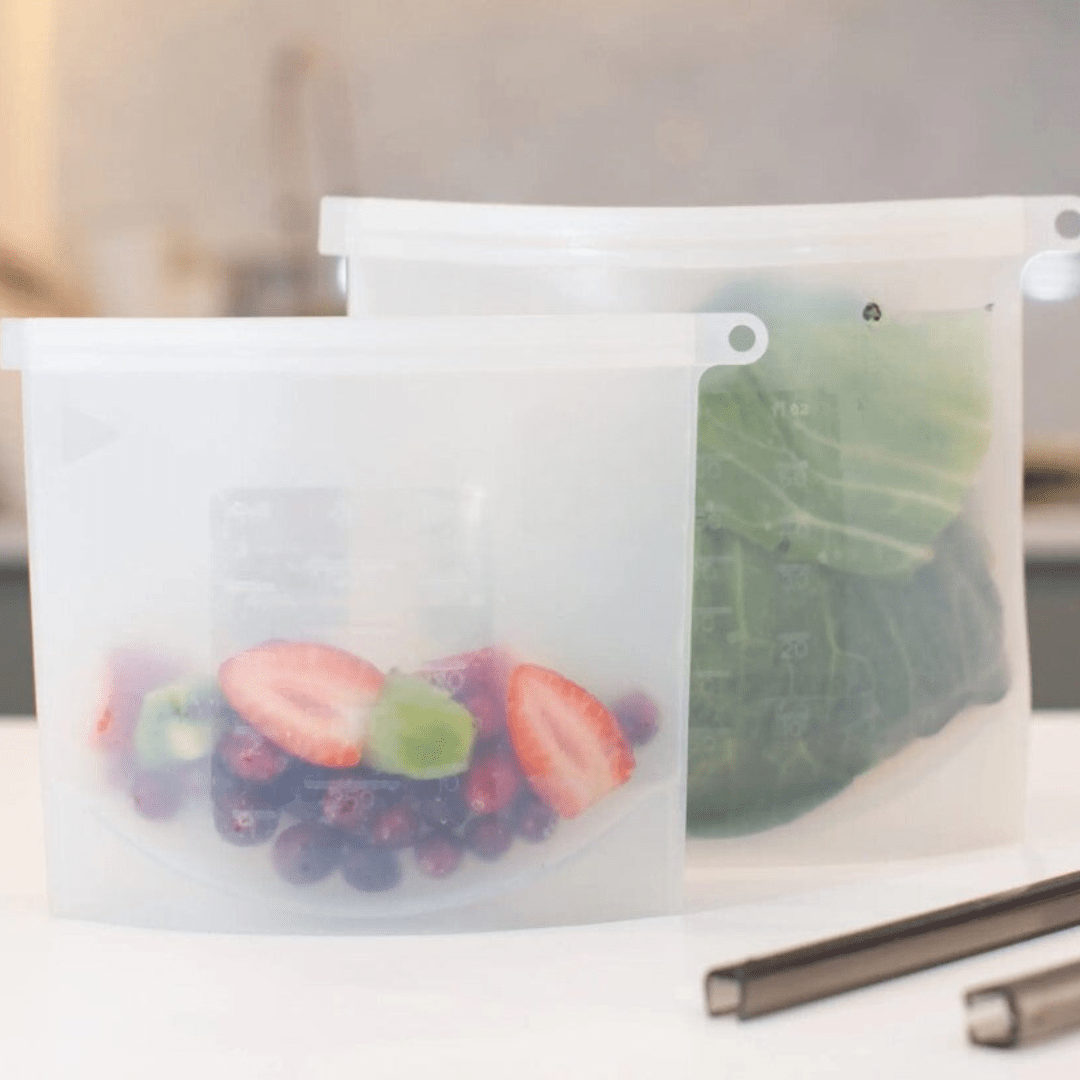
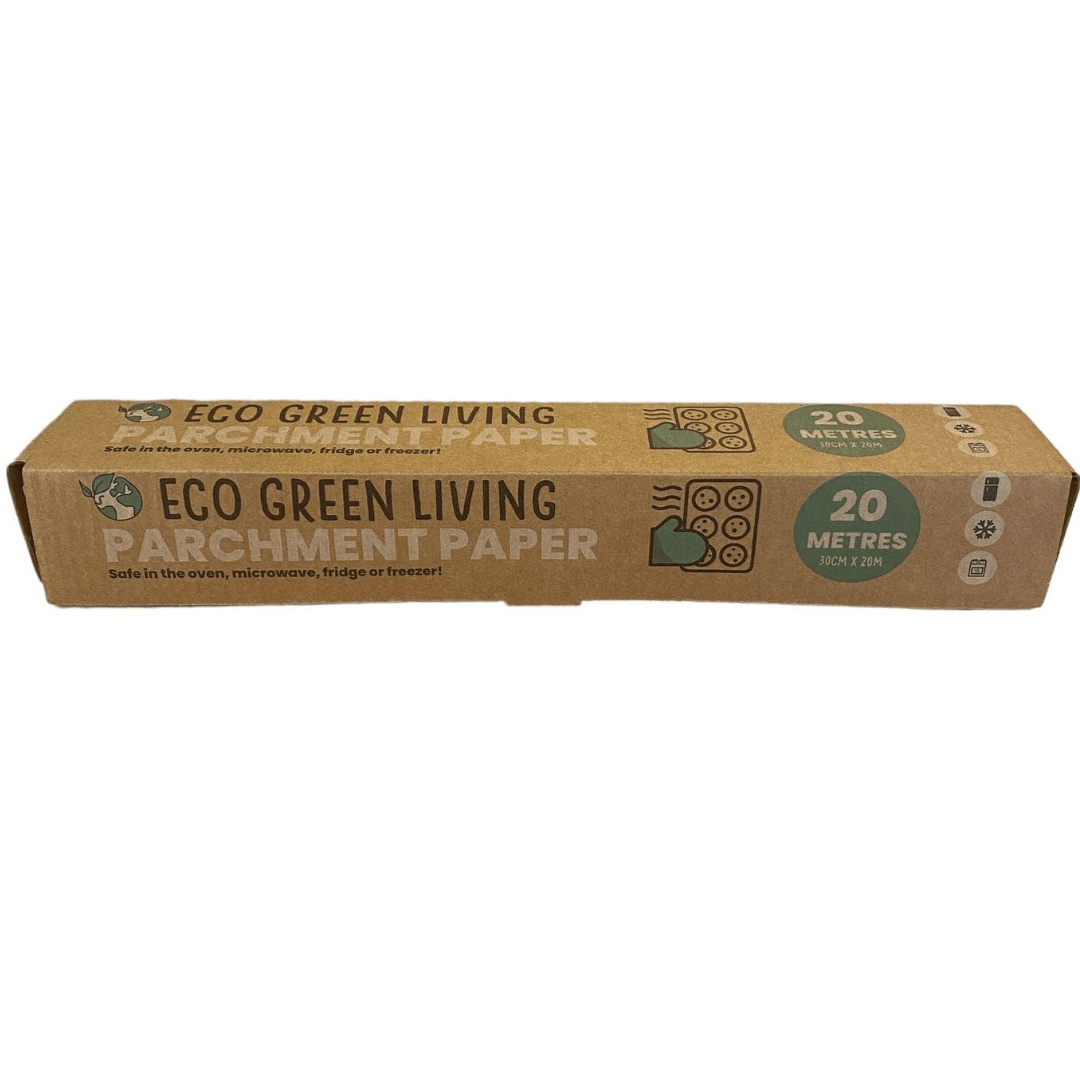
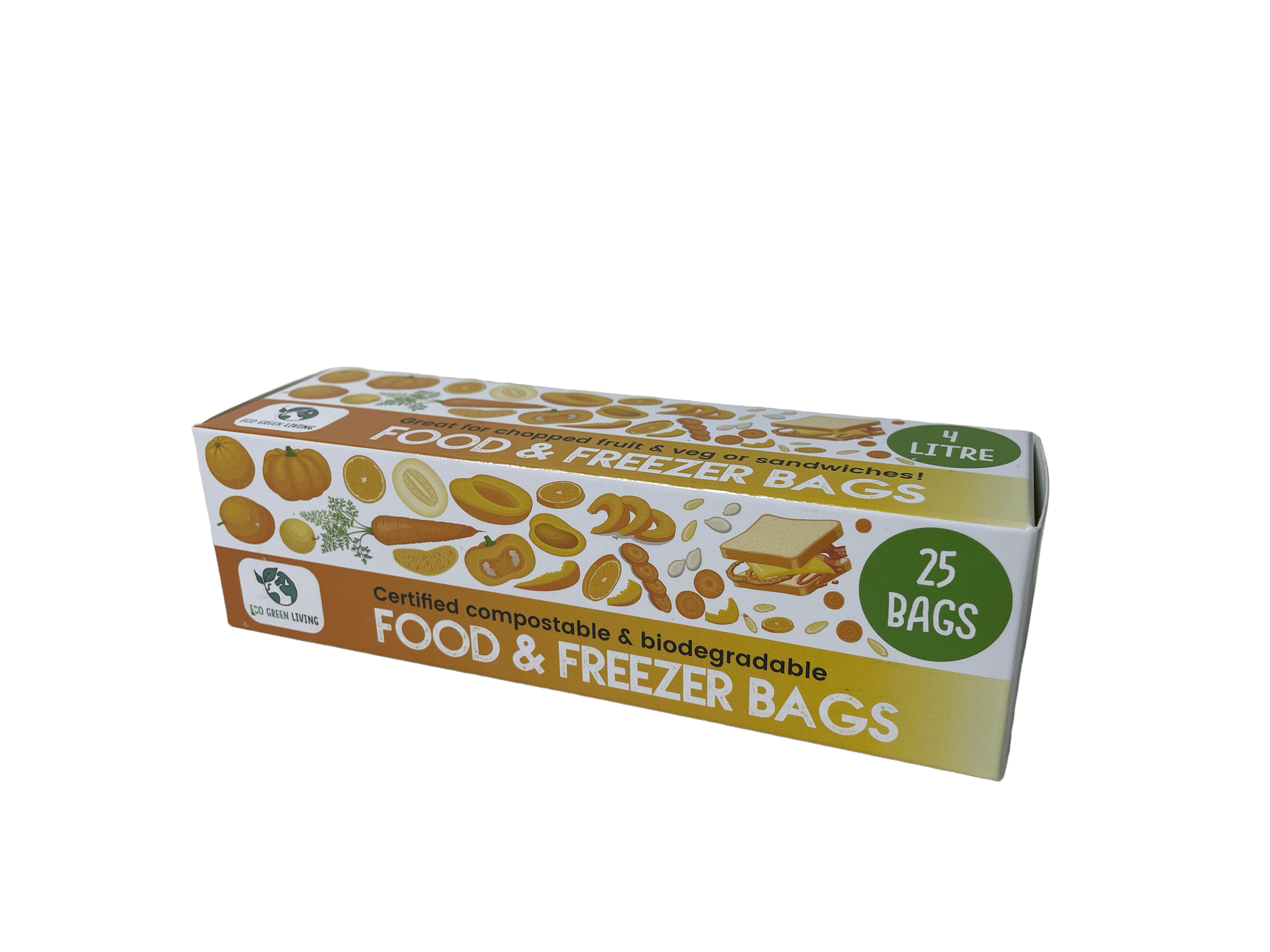
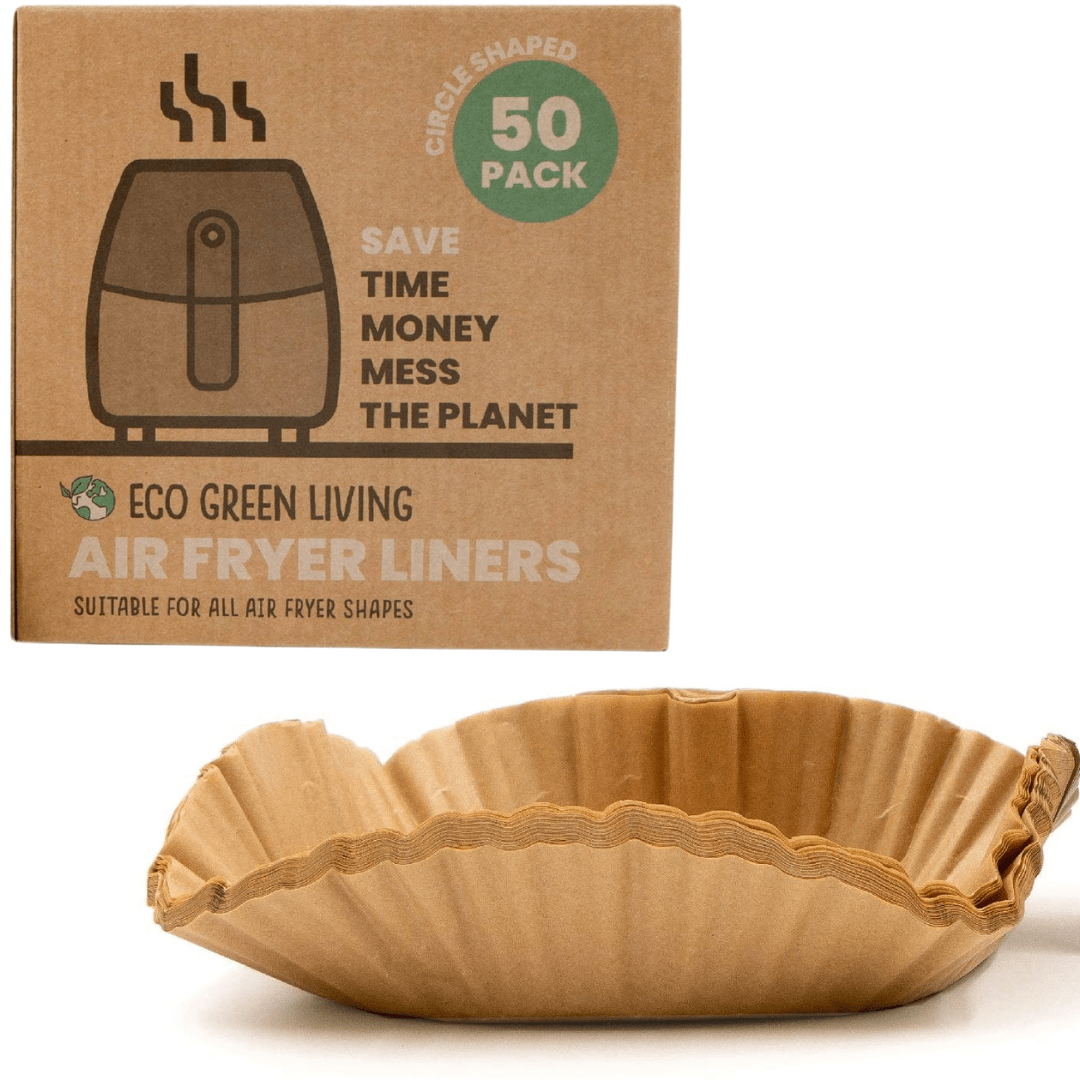
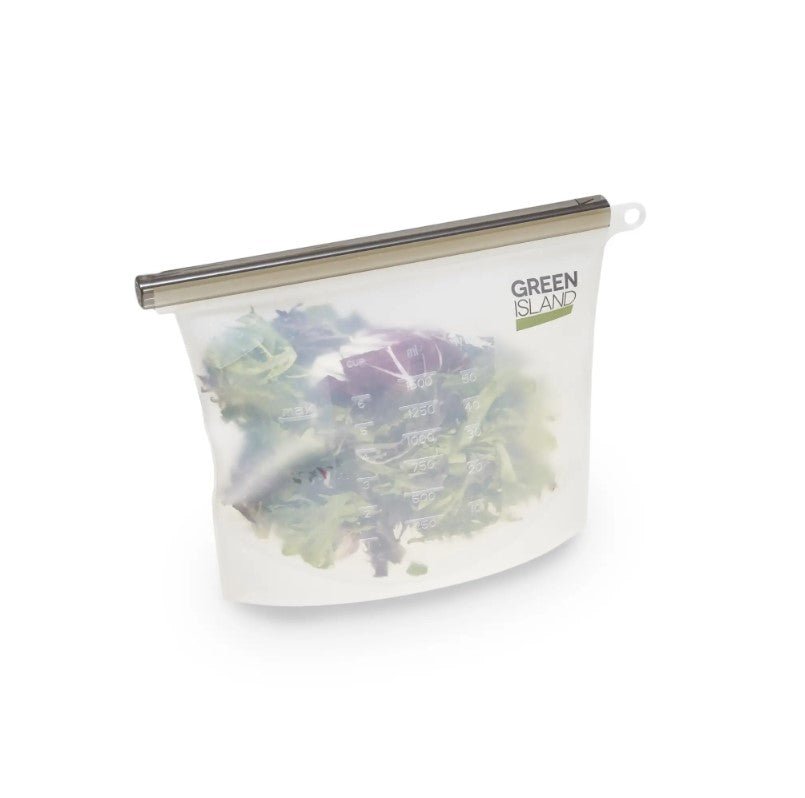
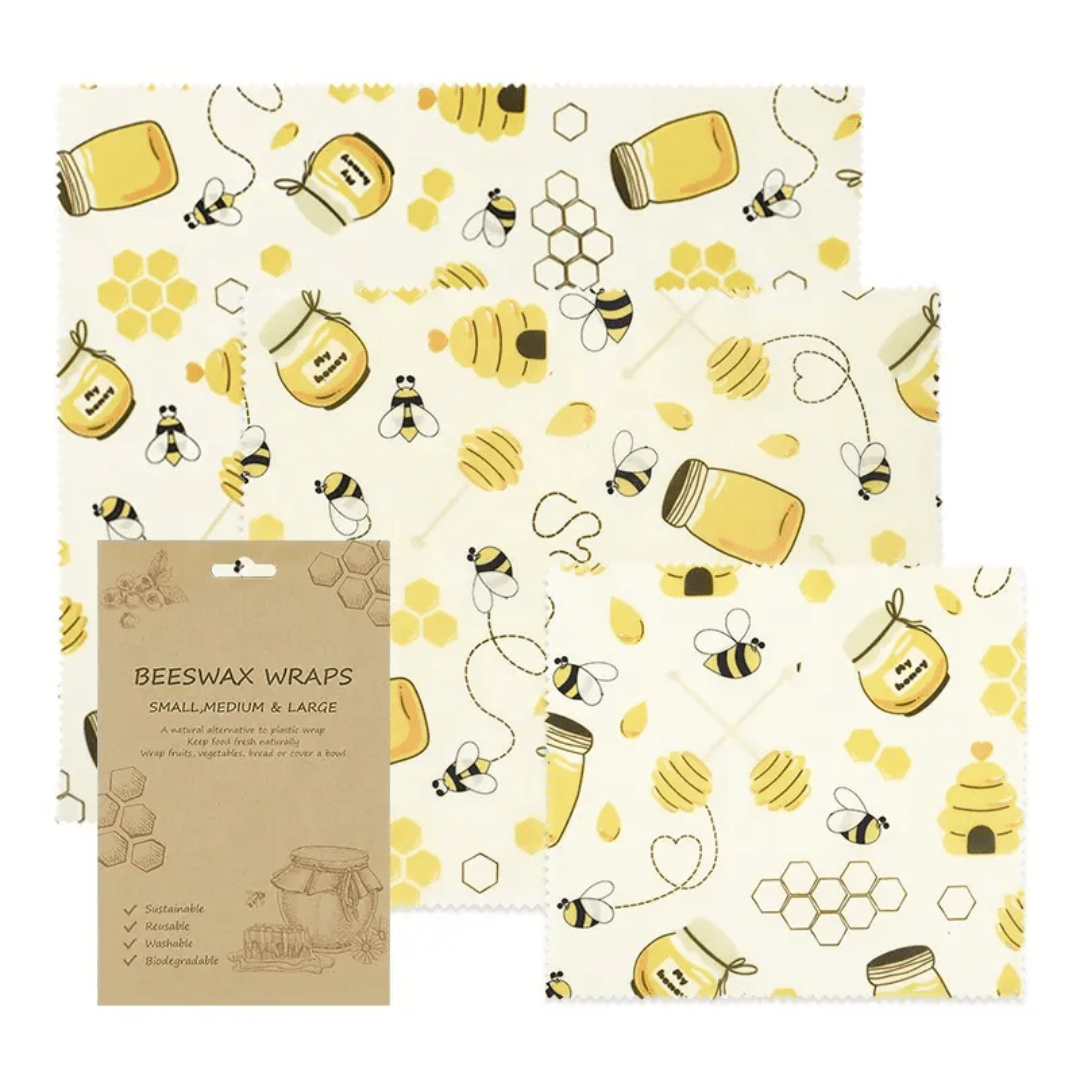
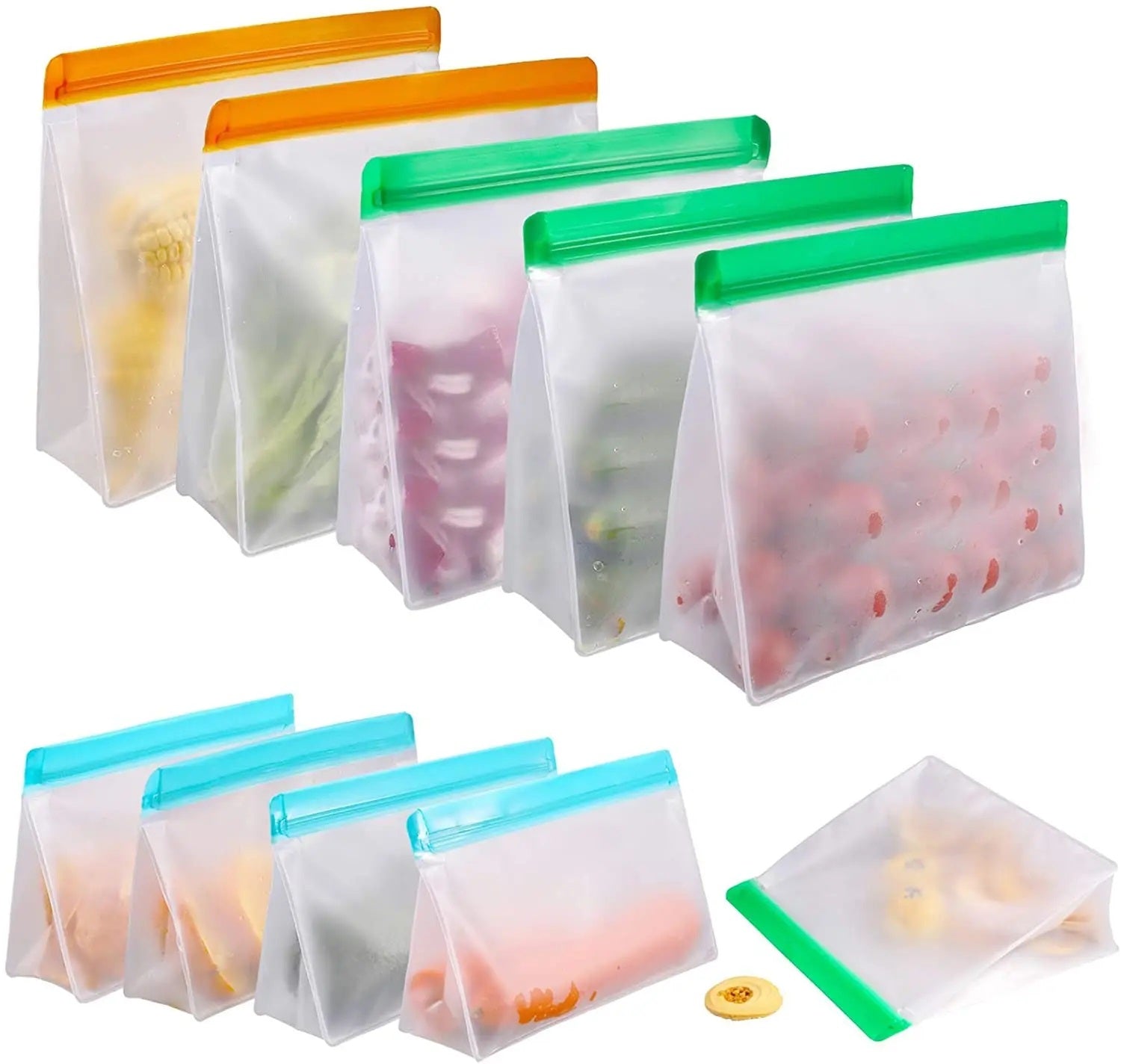
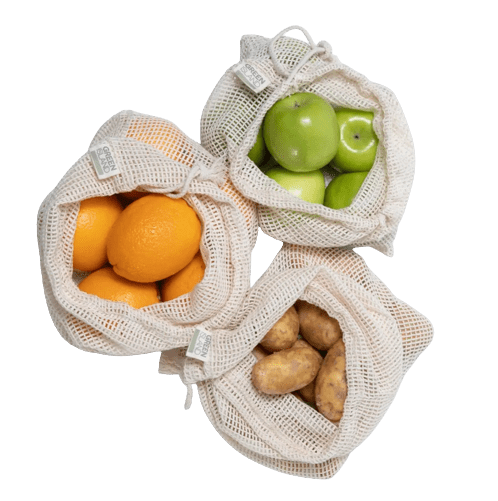
Eco-friendly food packaging solutions change the ratio. Reusable silicone bags, beeswax wraps and cotton produce bags replace the disposables you'd otherwise reach for every day. Biodegradable food packaging like compostable cling film, parchment paper and food & freezer bags do the same job as their plastic equivalents without leaving plastic behind. Both are forms of sustainable packaging that fit around a normal routine.
[Callout-box]
How Eco-Friendly Packaging Works
There are two packaging solutions when tackling kitchen packaging waste, and most people end up using both. Reusable products like silicone ziplock bags, wax food wraps made from renewable materials, cotton produce bags, silicone lids, and lunchboxes are designed to replace disposable items hundreds of times over. If used for a bag of cut fruit, leftover pasta in the fridge or a packed lunch, they wash clean and go again.
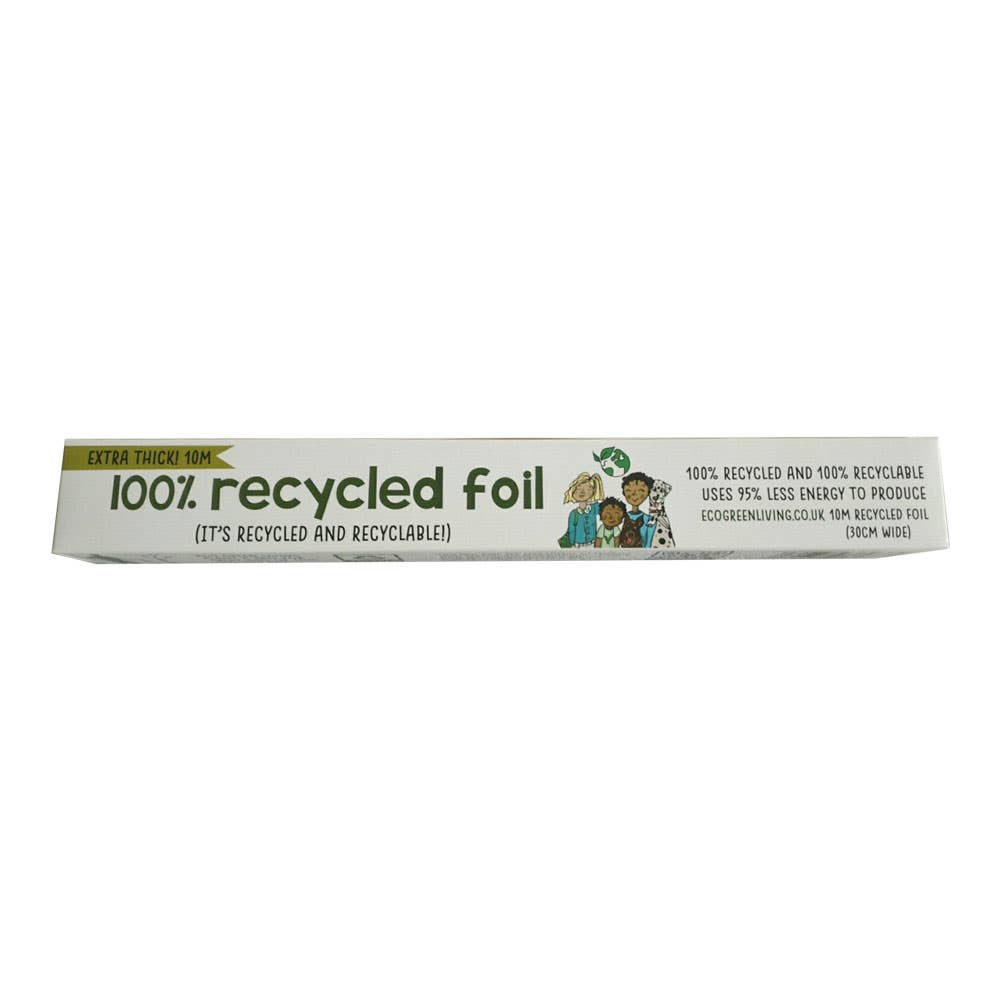
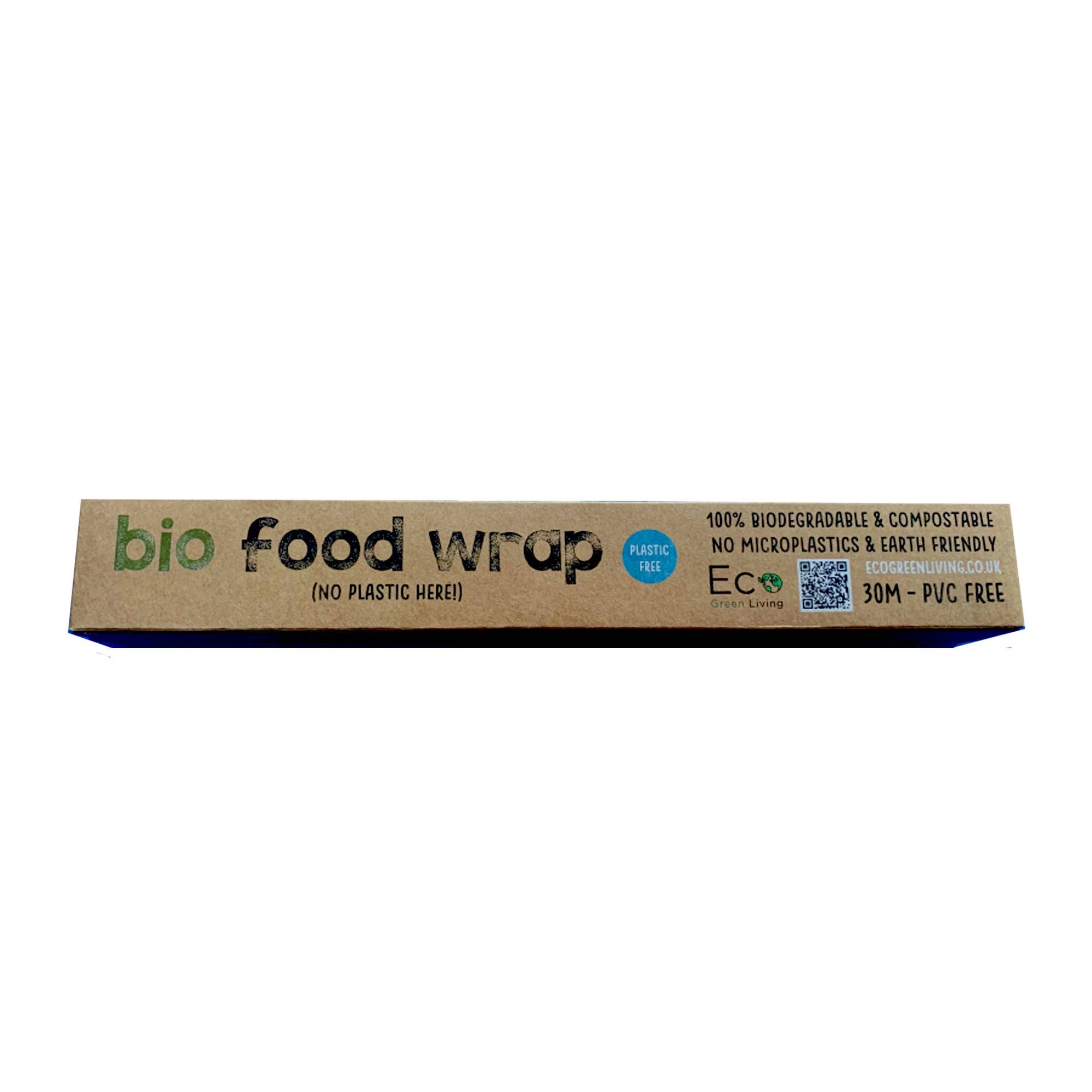
Compostable packaging works like conventional packaging materials but without the plastic. Compostable cling film clings and seals in the same way as regular cling film but breaks down properly after use. Compostable and biodegradable freezer bags are suited to anyone who wants to stop sending plastic to landfill without changing how they store food. Recycled aluminium foil is fully recyclable once empty and performs exactly like conventional foil.
A combination of both works well for most eco-conscious kitchens: reusable formats for daily use, compostable options for occasions where disposables make more sense - and a better outcome for the planet. For the most thorough approach, look for options that are compostable and recyclable to cover both bases.
Environmentally Friendly Food Packaging for Every Part of the Kitchen
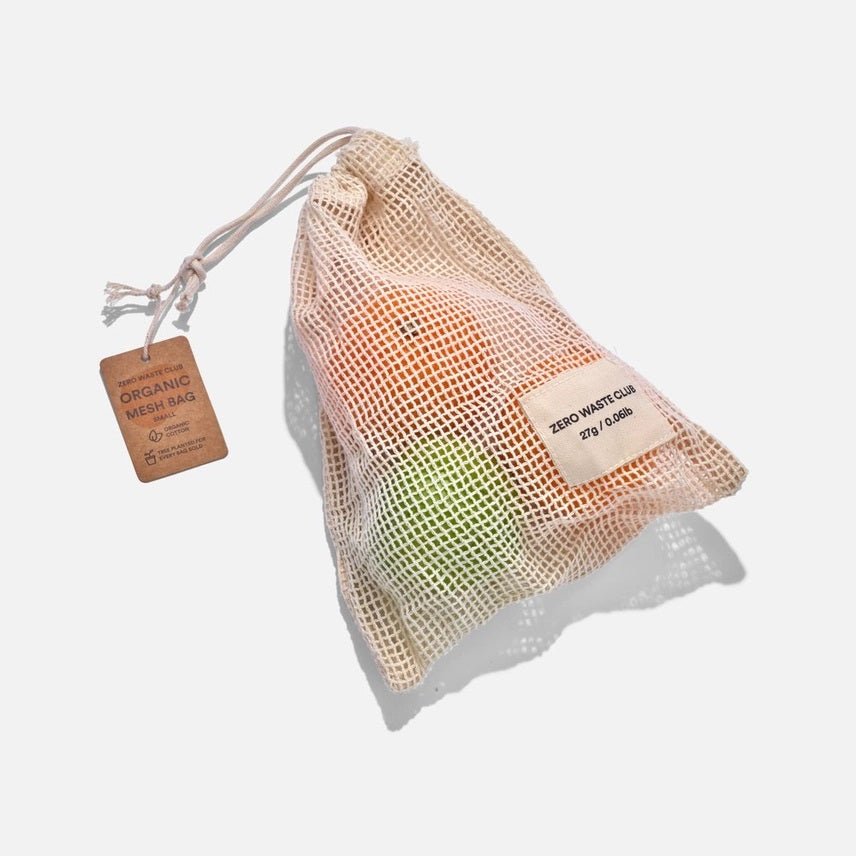
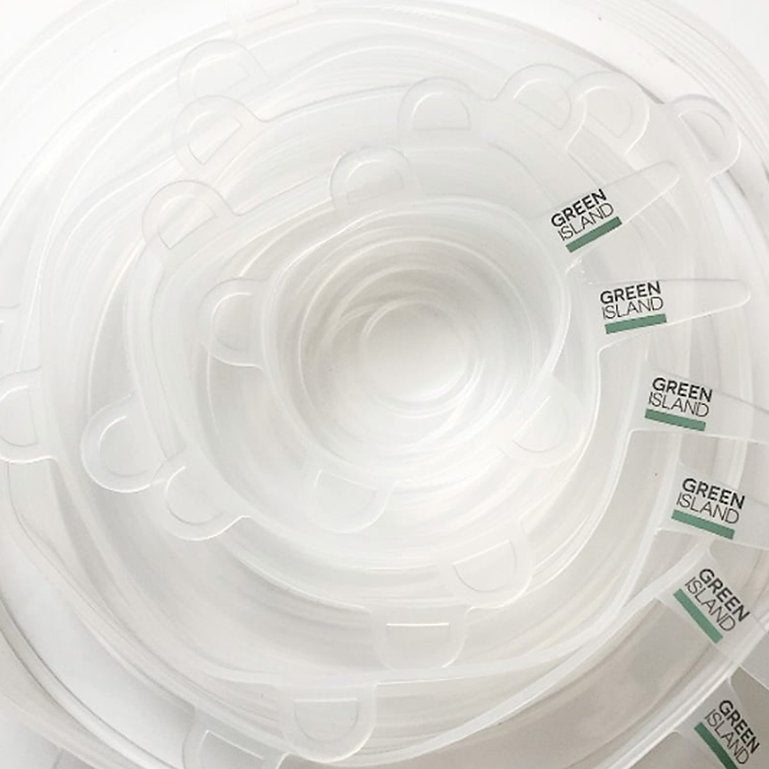
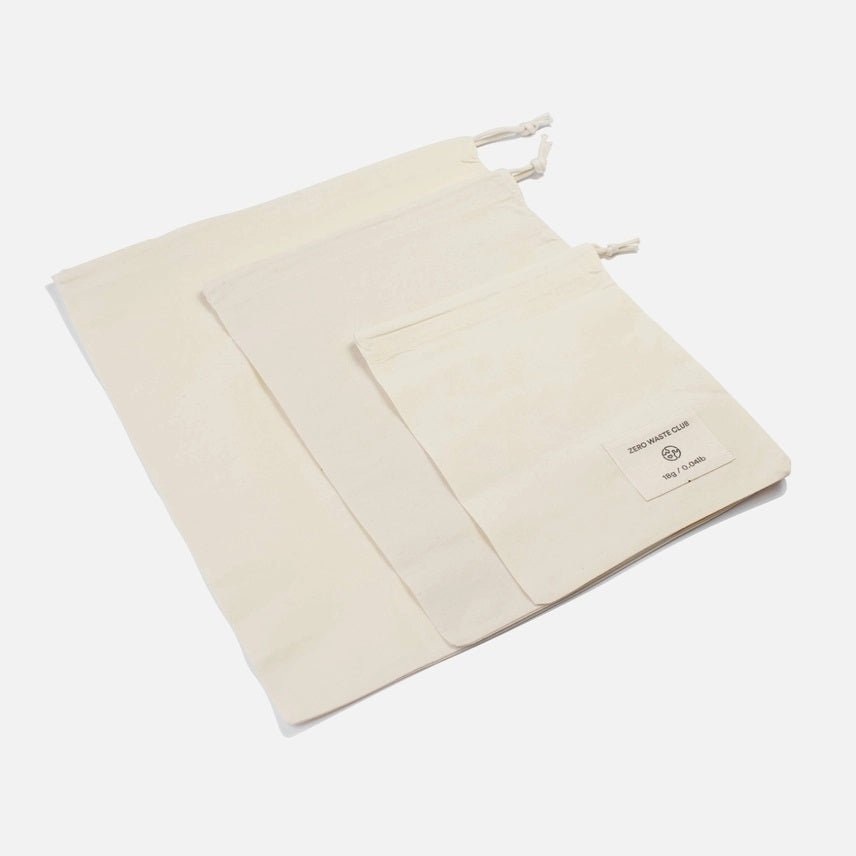
The range caters to every part of a kitchen routine, because different moments call for different food packaging products. Lightweight cotton mesh produce bags replace the plastic ones at the supermarket and can be washed clean after use. Silicone stretch lids fit over bowls, tins and cut fruit in the fridge, a simple way to stop reaching for cling film between meals. Reusable snack bags and food pouches mean young children don't have to work through a new squeezy pouch for every snack.
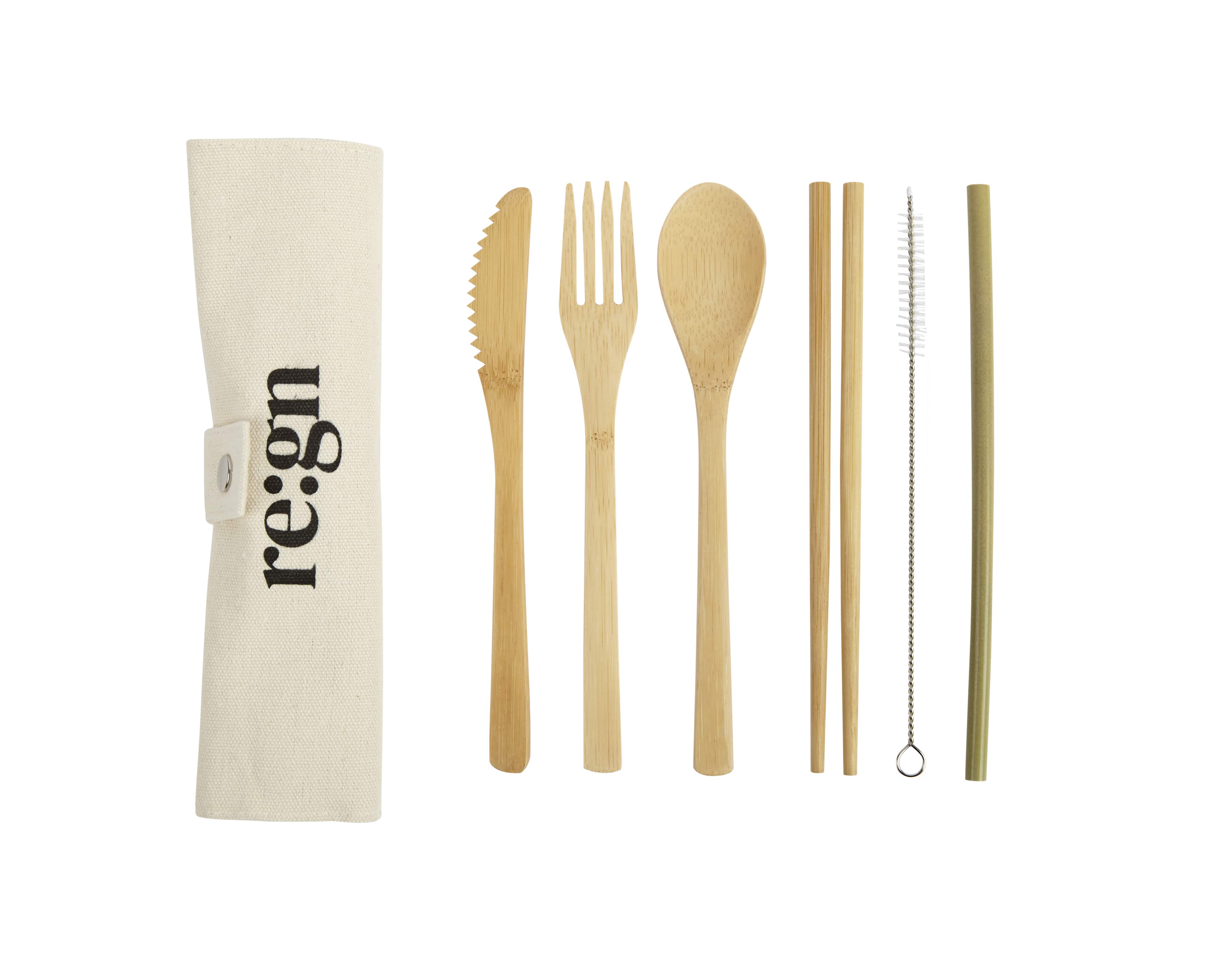
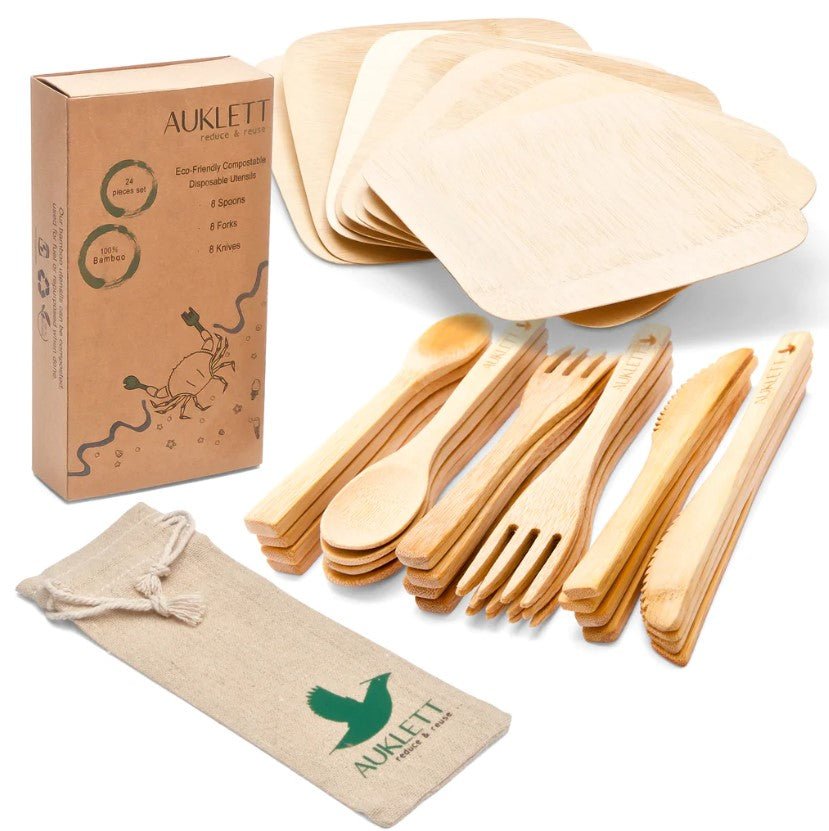
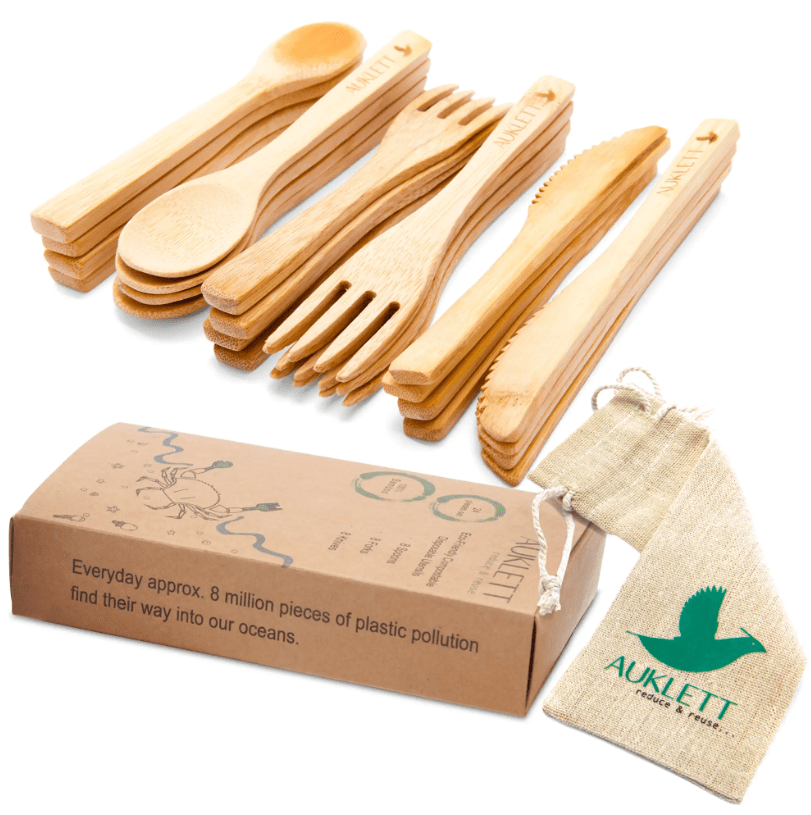
Lunchboxes with divided compartments and compact dip pots hold a full packed lunch in one trip, with no sandwich bags or single-use containers needed. Bamboo cutlery and tableware sets do the same job for anyone picking up takeaway food or regularly eating out. Everything here, from reusable food containers to compostable wraps, will fit effortlessly into an existing kitchen routine.
Why Eco Food Storage Costs Less Over Time
Switching to sustainable eco food storage doesn't have to cost more over time. A silicone bag used several times a week goes a long way, quietly offsetting hundreds of disposable bags over a year. A roll of compostable cling film costs about the same as a roll of conventional, premium cling film at the checkout. Beeswax wraps last up to a year with proper care.
The upfront cost of the reusable range is higher than a box of freezer bags, but the maths changes quickly. One silicone bag replaces a year or more of disposable equivalents. A set of silicone lids removes the need for a new box of cling film every few weeks. Both are more sustainable than repeatedly buying disposables. For households that regularly go through a lot of packaging, either for school lunches, batch cooking or the weekly shop, the savings are substantial - as is the reduction in weekly plastic waste!
Customer Reviews
What Our Eco-Warriors Say
Eco Friendly Food Packaging FAQs
What is the most eco-friendly way to store food?
What is the most eco-friendly way to store food?
Is compostable cling film as effective as regular cling film?
Is compostable cling film as effective as regular cling film?
Can mesh produce bags be used for shopping and storage?
Can mesh produce bags be used for shopping and storage?
What is eco food storage and why does it matter?
What is eco food storage and why does it matter?
Featured In


