

Reusable Sanitary Pads


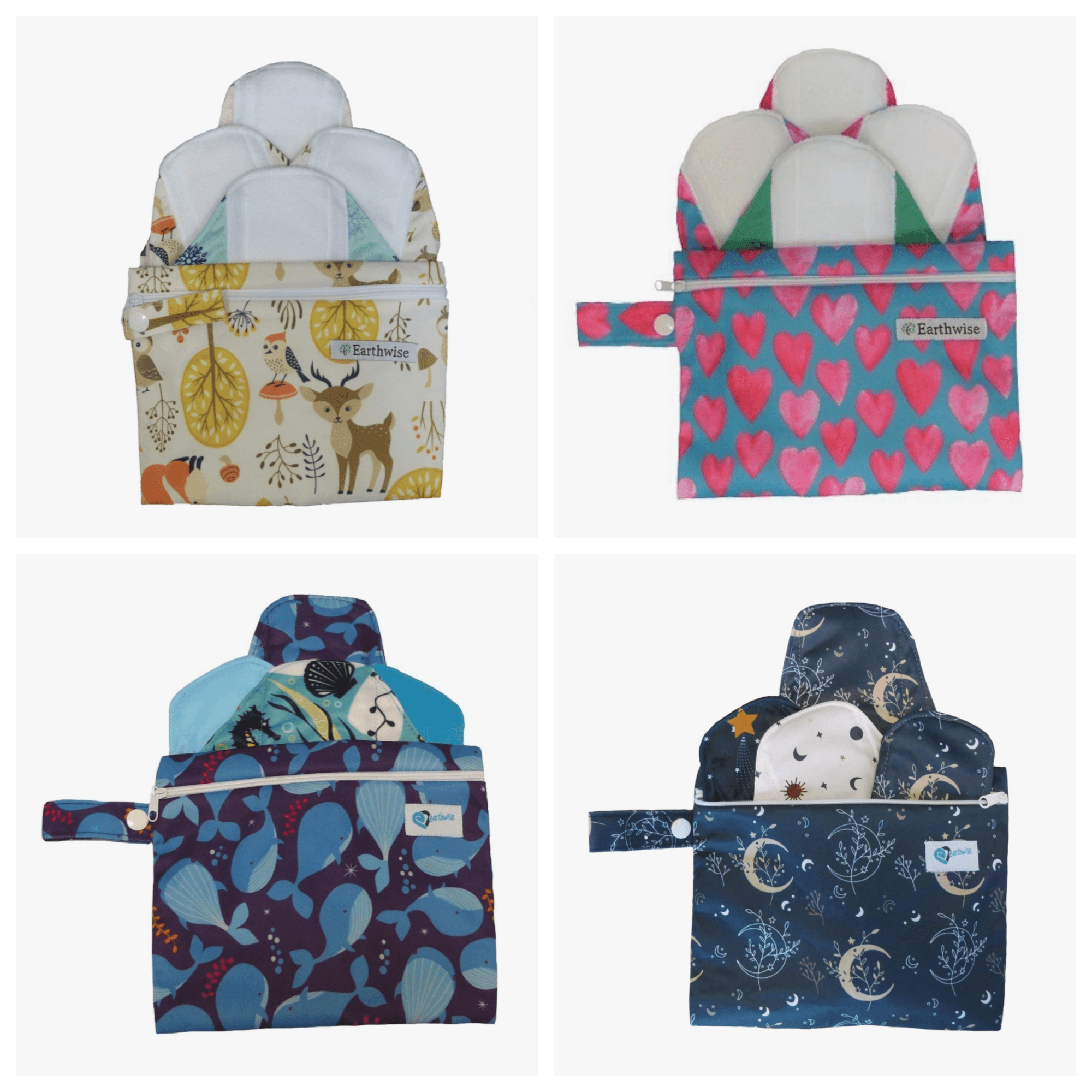


Why Switch to Reusable Sanitary Pads
Most disposable pads contain up to 90% plastic. They take centuries to break down, and in the meantime, they sit in landfills - hundreds of them per person per year. Reusable sanitary pads change that entirely.
Switching to washable period pads is a practical, considered choice that saves money over time, reduces waste, and keeps unnecessary synthetic materials away from one of the most sensitive areas of your body.
How Reusable Period Pads Work
Washable sanitary pads fasten around your underwear with a popper so they sit close to the body, and wash clean in your regular machine cycle. A small wet bag means you can manage changes when you're out and about, and a rotation of a few pads will cover you throughout the day.
Whether you're managing lighter days, overnight flow, incontinence or postpartum care, there's something that fits your routine. A lot of people use reusable period protection alongside period pants or a menstrual cup for a fully sustainable, eco-conscious period care routine.
Non-Toxic Sanitary Pads for Sensitive Skin
Conventional single-use period pads often contain fragrances, chlorine-bleached fibres, and plastic-based absorbent gels - harmful chemicals and materials that sit against sensitive skin for hours at a time. For anyone prone to irritation or discomfort, reusable period products are better for your body and the planet.
Non-toxic reusable pads made from organic cotton or bamboo contain none of that. The fabrics are breathable, free from synthetic additives, and gentle enough for everyday wear.
For a lot of people, switching isn't just a more planet-friendly choice - it's a more comfortable one.
Why Cloth Sanitary Pads Cost Less Over Time
The upfront cost of washable menstrual pads is higher than a single pack of disposables. Over the course of a year, let alone several years, a set of cloth sanitary pads that lasts three to five years replaces a significant ongoing expense, while producing a fraction of the waste.
If you use 10 pads per period, on average, over 10 years, you could save:
|
Cost |
Carbon |
Waste |
|
£202.94 |
36.78kg CO2e |
16.38kg |
Source: Reduce Reuse Your Cycle
Customer Reviews
What Our Eco-Warriors Say
Reusable Sanitary Pads FAQs
How do you wash reusable sanitary pads?
How do you wash reusable sanitary pads?
How often do you change a reusable sanitary pad?
How often do you change a reusable sanitary pad?
How often should reusable sanitary pads be replaced?
How often should reusable sanitary pads be replaced?
What are reusable sanitary pads made of?
What are reusable sanitary pads made of?
Learn More About Reusable Sanitary Pads

Discover the Wonders of Reusable Sanitary Pads
Not only do us ladies have to suffer from issues like cramps and PMS, we often suffer guilt from using sanitary towels, which are plastic heavy.

Eco-Friendly and Cost-Effective Menstrual Cups
If you’re looking for sustainable feminine hygiene solutions, Regn is a leading destination for planet-friendly products.

How do you wash reusable sanitary pads?
Reusable sanitary pads are a popular and eco-friendly alternative to disposable pads. They are made from soft and absorbent materials and can be washed and reused many times, making them a sustainable choice for women looking to reduce their environmental impact. However, many women may be unsure about how to properly wash and care for their reusable pads. In this blog, we will discuss how to wash reusable sanitary pads and provide some tips for keeping them clean and fresh. Step 1: Rinse the pad in cold water The first step in washing reusable sanitary pads is to rinse them in cold water as soon as possible after use. This will help to remove any blood and prevent staining. Avoid using hot water, as this can set stains and make them more difficult to remove. Step 2: Soak the pad in cold water After rinsing the pad, soak it in cold water for a few hours or overnight. This will help to further remove any blood and loosen any remaining stains. You can add a small amount of vinegar or baking soda to the water to help neutralize odors. Step 3: Wash the pad in the washing machine After soaking, wash the pad in the washing machine using a gentle detergent and cold water. Avoid using fabric softeners or bleach, as these can damage the absorbency of the pad. You can also add a small amount of vinegar or baking soda to the wash cycle to help freshen and deodorize the pad. Step 4: Dry the pad Once the pad is washed, hang it up to air dry or tumble dry on a low heat setting. Avoid using high heat, as this can damage the elastic and shorten the lifespan of the pad. Tips for caring for reusable sanitary pads: Store used pads in a wet bag or container until you are ready to wash them. Rinse and soak the pads as soon as possible after use to prevent staining and odors. Avoid using hot water or bleach, as this can damage the pads and reduce their effectiveness. Use a gentle detergent and cold water to wash the pads. Hang the pads up to air dry or tumble dry on a low heat setting. Check the care instructions provided by the manufacturer for any specific washing and care guidelines. In conclusion, washing reusable sanitary pads is a simple and straightforward process. By following these steps and taking proper care of your pads, you can ensure that they stay clean, fresh, and effective for years to come. With their eco-friendly and cost-effective benefits, reusable sanitary pads are a great choice for women looking to make a positive impact on the environment while also maintaining their personal hygiene.

Discover the Benefits of Reusable Sanitary Pads
Periods are a natural part of life, but the products we use to manage them can have a significant impact on our health, finances, and the environment. As awareness grows around sustainability and wellness, many are turning to reusable sanitary pads, especially those made from bamboo. In this post, we’ll explore the key benefits of making the switch and why bamboo is becoming the material of choice for conscious consumers looking for eco-friendly period products. While there are other plastic-free menstrual products available, such as menstrual cups and period pants, reusable sanitary pads remain one of the most popular and accessible options. This post focuses on pads while also highlighting where they fit into the wider sustainable periods movement. Environmentally Friendly and Sustainable What are the benefits of reusable pads? One of the biggest reasons is their positive impact on the environment. Traditional disposable pads are made with plastic and synthetic materials that can take hundreds of years to decompose. They contribute to millions of tonnes of waste every year. In contrast, reusable bamboo sanitary pads are made from biodegradable materials and can be washed and reused for years, supporting a zero waste period lifestyle. Bamboo is one of the most sustainable resources on the planet. It grows rapidly, requires very little water, and doesn’t need pesticides to thrive. Choosing bamboo sanitary pads means significantly reducing the environmental impact of your menstrual care. Reusable pads also come in a wide range of sizes, from small panty liners to generous heavy-flow pads, making it easy to customise your choice while still reducing waste. Cost-Effective Over Time Are reusable pads cost-effective? While the initial cost of reusable period products may be higher than that of disposables, they offer considerable savings over time. A single set can last several years with proper care, eliminating the need for monthly purchases of single-use products. This makes reusable sanitary pads a smart and economical long-term investment. Better for Your Skin and Health What are the bamboo sanitary pads benefits for sensitive skin? Many conventional disposable pads contain chemicals such as chlorine bleach, synthetic fragrances, and plastic-based materials. These can cause irritation, rashes, or allergic reactions, especially for people with sensitive skin. Bamboo sanitary pads are naturally hypoallergenic and antimicrobial. They’re soft, breathable, and free from harsh additives, making them ideal for anyone who experiences discomfort or sensitivity during their period. Superior Comfort and Absorbency <div class="product-grid-wrapper">[275079921729, asc_alphabet, asc_price, 4]</div> Reusable bamboo sanitary pads are known for their comfort and performance. Bamboo fibres are soft, moisture-wicking, and breathable, making these pads much more comfortable to wear than many conventional options. They conform to your body and stay in place, helping reduce the chance of chafing or leaks. These sustainable menstrual products are also highly absorbent; many are designed with multiple layers to provide reliable protection even on heavy flow days or overnight. As with period pants, reusable pads are available in multiple absorbencies, so you can choose what suits your flow best, from light liners to super heavy overnight protection. Easy to Use and Maintain How do you wash and care for reusable bamboo pads? One of the common misconceptions is that reusable pads are difficult to manage, but they’re actually very easy to use. After use, rinse them in cold water, wash with a mild detergent, and air dry. With proper maintenance, a good set of bamboo sanitary pads can last several years without losing performance or comfort. A Safer and More Conscious Choice Are reusable pads hygienic and safe to use? Absolutely. Switching to reusable sanitary pads isn’t just about reducing waste, it’s also about taking better care of your body. By eliminating exposure to harsh chemicals and supporting eco-friendly period product brands, you’re making a thoughtful choice that supports both personal wellness and the planet. What About Period Pants and Menstrual Cups? It’s worth noting that other plastic-free options exist. Menstrual cups, made from medical-grade silicone, can last up to 10 years and significantly reduce waste. Period pants provide an all-in-one solution with built-in absorbency and leakproof layers, available in a wide range of styles and absorbencies. For many people, reusable pads are the easiest first step, with cups and pants serving as additional or complementary options depending on lifestyle and preference. Concerns About Silver in Period Pants Recent reports have highlighted that some brands of period underwear contain traces of silver, added as an antimicrobial agent. However, research has shown that nanosilver can kill healthy vaginal bacteria, and the European Chemicals Agency warns that silver treatments are toxic to aquatic life. There are currently no legal limits on silver use in period underwear, and manufacturers are not required to disclose it on packaging. While some brands assure safety, the uncertainty means many consumers prefer to avoid it. Reusable pads do not contain silver or unnecessary chemical treatments, making them a straightforward, natural choice for menstrual care. How to Choose the Right Reusable Bamboo Pad What should I look for in a reusable sanitary pad? When shopping for reusable period products, consider these factors: Absorbency: Choose based on your flow; light, regular, heavy, or overnight options are available. Material: Look for pads made with certified organic bamboo or organic cotton. Comfort: Check for softness, breathability, and a secure fit. Certifications: GOTS (Global Organic Textile Standard) and Oeko-Tex certifications ensure safety and sustainability. Brand Reputation: Opt for transparent, ethical brands such as Regn, that prioritise sustainable menstrual products. Many brands also offer bundle packs with different sizes, making it easy to experiment and find the perfect fit for your body and flow. Final Thoughts Reusable bamboo sanitary pads offer a sustainable, economical, and health-conscious alternative to disposable period products. With benefits ranging from lower environmental impact to improved skin comfort and long-term savings, it’s easy to see why more people are making the switch. Reusable pads are at the heart of the plastic-free period movement, offering a balance of sustainability, comfort, and accessibility. While period pants and menstrual cups can complement your routine, pads remain a reliable and versatile choice for anyone making the switch. If you're looking for a more natural, eco-friendly period solution, reusable sanitary pads are well worth considering. Not only will you reduce your waste and exposure to chemicals, you’ll also enjoy a softer, safer, and smarter way to manage your menstrual health. Want to learn more about Eco-Friendly Sanitary Pads? Here are some of our other posts: The Best Eco-Friendly Sanitary Pads UK: Sustainable & Comfortable Care Ultimate Guide to Caring for Reusable Sanitary Pads: Tips for Longevity Debunking the Top Myths About Reusable Sanitary Pads Our Guide to Traveling with Reusable Pads | Eco-Friendly Tips for Your Next Trip Reusable Pads: Your Questions Answered

What is Period Poverty and How It Affects Lives
Periods are a natural part of life, yet millions of people around the world struggle to access the products they need to manage them with dignity. So, what is period poverty? Period poverty means not being able to afford the period products required to manage menstruation safely and comfortably. This lack of access affects health, education, work, and confidence. At its heart, what is period poverty about is not just products. It is about equality, opportunity, and respect. In this guide, we will explore what is period poverty means, period poverty facts, causes of period poverty, and what can be done to end it. What is Period Poverty? What is period poverty? It refers to when someone cannot afford the period products they need. For some, this means choosing between buying food and buying sanitary pads. For others, it means missing school or work because they cannot manage their period safely and comfortably. In the UK, food banks are reporting growing demand for period products, showing that period poverty is very real here. Around the world, millions of people are also affected. In some places, girls resort to using rags, paper, or even leaves because they have no other option. This is not just uncomfortable, it can also be dangerous for their health. Period poverty strips people of their dignity and limits their opportunities. Without proper products, many miss days of education or work, setting them back in ways that can affect their entire future. Why Are Sanitary Pads So Expensive? <div class="product-grid-wrapper">[280822054977, asc_alphabet, desc_price, 8]</div> One of the main causes of period poverty is the cost of products. Pads and tampons are often more expensive than people expect for something that is an essential item. The price comes from several factors. There are costs of manufacturing, packaging, and distribution. In some countries, taxes have also been added to period products as though they were luxury goods. Disposable products are also single use. This means people need to buy them every month, which adds up to a significant expense over time. For those already struggling with their bills, this regular cost can feel overwhelming. Why Are Period Products Not Free? It might seem obvious that period products should be free. They are as essential as toilet paper, yet they have not always been treated that way. There are several reasons. Historically, menstruation has been a taboo subject. It has often been ignored by politicians and decision makers, meaning it was not seen as a priority. In many societies, menstrual health has been undervalued, which has led to a lack of funding and support. There has been progress. Some countries and local governments now provide free products in schools, workplaces, or public buildings. However, this is not yet universal, and many people still face barriers to access. Is the Tampon Tax Removed? For many years, even cheap sanitary pads and tampons in the UK carried a tax of five percent. Campaigners argued that this was unfair because these products are essential, not a luxury. After much effort, the tampon tax was finally removed in 2021. Why are period pants so expensive? Period pants, which are reusable underwear designed for menstruation, were taxed at twenty percent because they were classed as regular underwear. Campaigners continued to fight for fairness, and in 2023 the government confirmed that from January 2024 period pants tax would be abolished. This change has made products more affordable and was an important step in recognising period care as a basic necessity. What is the Main Cause of Period Poverty? The main cause of period poverty is poverty itself. When families struggle to cover rent, heating, and food, there is often little left for anything else. Period products, though essential, can fall to the bottom of the list when money is short. Other causes of period poverty include stigma around menstruation. Many people are too embarrassed to ask for help. In some cultures, myths and shame still surround periods, leading to exclusion and silence. Lack of education also plays a part. If people are not taught about menstruation and their options, they cannot make informed choices about how to manage it. Period poverty is therefore not just about money. It is a mix of financial struggle, cultural attitudes, and gaps in education and support. Where is Period Poverty the Worst in the World? Period poverty is a global issue, but it is most severe in low income countries. In many rural areas, safe products are hard to find or unaffordable. Girls may be forced to use unsafe alternatives such as rags or leaves, which can cause infections and discomfort. The effects of period poverty go beyond health. Without products, many girls miss days of school each month. Over time, this affects their education, reduces their chances of employment, and increases the cycle of poverty. In some areas, girls are even pressured into harmful practices, such as exchanging sex for sanitary products, which puts them at risk of disease and early pregnancy. This highlights how deeply period poverty affects not only individuals but whole communities. Is There Period Poverty in the UK? Although the UK is a wealthy country, period poverty still exists here. Food banks report regular requests for pads and tampons. Local charities step in to distribute products, and some schools and councils now provide free supplies. However, access is not the same everywhere. Some areas have better support than others, and many people still find themselves without products when they need them most. This shows that even in developed countries, period poverty is a very real problem. How to End Period Poverty Solutions to period poverty do exist, but they require collective effort. Provide free or affordable products: Governments, schools, and workplaces can help by making products available to everyone who needs them. Encourage sustainable options: Reusable pads, cups, and period underwear can give long term solutions and reduce ongoing costs. Promote education: Teaching about periods in schools and communities helps to break down stigma and empower people with knowledge. Challenge stigma: Talking openly about menstruation helps to normalise it and ensures that those in need feel able to ask for help. Campaign for change: Continued activism is vital to make sure governments prioritise menstrual health and equality. Conclusion What is period poverty? It is a complex issue tied to poverty, inequality, and stigma, affecting millions worldwide. No one should have to choose between buying food and buying pads. No one should miss school or work because of their period. The removal of unfair taxes, like when the tampon tax was removed, has shown that change is possible when people speak out. Campaigns and community action continue to make progress, but more must be done to ensure that period products are available to everyone, everywhere. By supporting initiatives, donating when we can, and speaking openly about menstrual health, we can all play a part in ending period poverty. Understanding period poverty facts and raising awareness about its causes and effects helps push the issue forward. A world without period poverty is a world where dignity, equality, and opportunity are available to all.

The Complete Guide on How to Use a Menstrual Cup
Periods are a natural part of life, but for many people they can feel inconvenient, uncomfortable, and even limiting. Menstrual cups are transforming the way people manage their periods. These small, flexible cups are worn internally and collect menstrual fluid rather than absorbing it. They offer freedom, comfort, and confidence, allowing you to continue your daily activities without disruption. This complete beginners guide to menstrual cups will take you through everything you need to know, including how to use a menstrual cup, its benefits, safety, and tips for choosing and using one for the first time. What Are Menstrual Cups and How Do They Work? <div class="product-grid-wrapper">[280822054977, asc_alphabet, asc_price, 4]</div> A menstrual cup is a small cup made from medical grade silicone, rubber, or similar flexible material. It is folded and inserted into the vagina, where it gently pops open and creates a seal. Instead of soaking up blood like a tampon or pad, the cup collects it. When it is full or after several hours of wear, you remove it, empty the contents into the toilet, rinse or wipe the cup, and reinsert it. This simple design means that menstrual cups can be worn for several hours at a time without leaks. Learning how to use a menstrual cup properly makes it a sustainable and eco-friendly period product that can last for years with proper care. Advantages of Menstrual Cups There are many reasons why people are switching to menstrual cups. Freedom and longer wear time: Most menstrual cups can be worn for up to 12 hours depending on your flow. This means you can sleep through the night without worrying about leaks or rushing to change products. It is also easier to go about your day without frequent bathroom breaks. Eco-friendly and cost-effective: One menstrual cup can last for years if it is cared for properly. This reduces waste compared to disposable pads and tampons and saves money in the long run. Many people who choose a cup do so because they are looking for eco-friendly period products that are kind to the planet. Measuring your flow for health awareness: Most cups have measurement markers on the side. This allows you to track how heavy your periods are. If your flow is very heavy, this information can be useful when speaking to a doctor. Comfort and discretion: Once the cup is inserted correctly, you will not feel it. There are no strings or bulky pads to worry about. You can exercise, swim, or carry on with your routine without the feeling of wearing a period product. Are Menstrual Cups Healthy? Many people wonder if menstrual cups are safe to use. The answer is yes; when used correctly, they are considered very safe. Understanding the safety of menstrual cups can help ease any hesitation for new users. Gynecologists and menstrual cups: Most gynecologists agree that menstrual cups are a safe option for managing periods. They are made from medical grade materials that are designed to be worn inside the body. Hygiene and sterilisation: Before your first use and between each cycle, it is recommended that you sterilise your cup in boiling water for a few minutes. During your period, rinsing the cup with water or wiping it with tissue before reinserting is usually enough. This routine makes menstrual cups one of the most hygienic period products available. Low risk of irritation or infection: Unlike tampons, cups do not absorb your body’s natural moisture. This reduces the risk of dryness or irritation. They also carry an extremely low risk of Toxic Shock Syndrome when compared with tampons, although basic hygiene practices should always be followed. Menstrual Cup vs Tampons Many people who switch to menstrual cups do so because they are looking for an alternative to tampons. If you're considering making the change, understanding the differences in the menstrual cup vs tampon debate can help. Comfort Tampons can cause dryness or discomfort if they are removed too early. Menstrual cups collect fluid rather than absorbing it, so you avoid that unpleasant feeling. Convenience Cups can be worn for longer periods, reducing the need for frequent changes. Health and safety Tampon fibres can sometimes be left behind in the vagina and are associated with Toxic Shock Syndrome. Menstrual cups do not shed fibres and are reusable after cleaning. Environmental impact A single cup can replace hundreds of disposable products each year. Choosing the Right Menstrual Cup Identifying which menstrual cup to choose is key to a comfortable and leak-free experience. If you’re just getting started, this section acts as a menstrual cup size guide to help you make an informed choice. Cervix height: The position of your cervix determines the length of cup you need. If your cervix is high, a longer cup is best. A low cervix will need a shorter cup to sit comfortably without the stem poking out. Cup firmness: Active people with strong pelvic floor muscles often prefer a firmer cup because it stays in place more securely. A softer cup can be more comfortable for those with bladder sensitivity or anyone who found a firmer cup uncomfortable in the past. Menstrual flow: Heavier flows require a larger capacity cup. Lighter flows are usually fine with a smaller cup. Some brands offer sizes based on whether you have given birth or are under or over 30, but your flow and cervix height are often the best indicators. This section works as a practical menstrual cup size guide and supports you in choosing the right menstrual cup for your needs. Can You Exercise or Swim with a Menstrual Cup? One of the biggest benefits of menstrual cups is the ability to stay active without fear of leaks. Exercise: Menstrual cups stay securely in place during running, yoga, and gym workouts. They are discreet and allow you to move freely without worrying about pads or strings. Swimming: Cups are worn internally, so you can swim, surf, or enjoy water sports without any sign that you are on your period. There is no risk of a string showing, and the cup forms a seal to prevent leaks. If you’ve ever wondered can you swim with a menstrual cup, you’ll be happy to know they are a great choice for water activities. Menstrual Cup First Uses Always wash your hands before and after handling your cup. Practice folding and inserting the cup before your period starts. Make sure the cup has fully opened to prevent leaks. Empty the cup at least every 12 hours or sooner if your flow is heavy. Sterilise the cup at the end of your cycle so it is ready for next time. Learning how to use a menstrual cup becomes easier with practice, and these tips will help make the transition smoother. Menstrual Cup vs Period Pants vs Sanitary Pads When deciding which period product to use, it’s helpful to compare the pros and cons of menstrual cups, sanitary pads, and period pants. Each option has unique benefits and is suited to different lifestyles. Menstrual Cups for Periods: Pros: Long wear time (up to 12 hours), eco-friendly, cost-effective, discreet, reusable for years, and helps track menstrual flow. They are ideal for people who want freedom during exercise, swimming, or travel. With proper menstrual cup hygiene, they are one of the safest period care options available. Cons: Learning curve for insertion and removal, not always comfortable during first use, and may not be suitable if you dislike internal products. Period Pants: Pros: Comfortable, discreet, easy to use, and reusable for several years with proper washing. Great for teenagers or those new to period products. They are also useful as backup protection with menstrual cups for heavier flows. Cons: Higher upfront cost, need frequent washing, slower drying time, and less convenient for travel. They may not be as absorbent for very heavy flows compared to a cup. Sanitary Pads: Pros: Widely available, easy to use, no insertion required, and suitable for people who are not comfortable with internal products. Pads are convenient for overnight use and for lighter flow days. Cons: Can feel bulky, may cause chafing, and need frequent changing. Conclusion Menstrual cups are a safe, sustainable, and empowering choice for managing periods. They offer comfort, freedom, and the chance to understand your own body better. By learning how to use a menstrual cup and how to choose the right one for your needs, you can enjoy leak-free, worry-free periods every month. Making the switch to a menstrual cup may feel daunting at first, but with patience and practice, it quickly becomes a natural part of your routine. Many people find that their cups provide a level of convenience and confidence that other period products simply cannot match. You will also be reducing waste and contributing to a healthier planet by using a reusable product. Remember, your body is unique, and finding the right menstrual cup may take some trial and error. However, the benefits are well worth the effort. You deserve to feel comfortable, confident, and in control throughout your period. Menstrual cups empower you to do just that, giving you the freedom to live your life without interruption.

Our Guide to Traveling with Reusable Pads | Eco-Friendly Tips for Your Next Trip
Travelling with reusable pads is an easy way to maintain a sustainable lifestyle while on the go. Whether you’re taking a weekend getaway or heading abroad, managing your period with reusable pads can be simple, eco-friendly, and hassle-free. This guide will walk you through how to pack, use, and maintain your reusable pads during travel, along with eco-friendly travel tips that make your journey even greener. How to Pack Reusable Pads for Travel When you're travelling, keeping your reusable pads clean and fresh is key. Here’s how to pack them properly: Choose the right reusable pads for travel: Make sure your reusable pads are comfortable, leak-proof, and suitable for the length of your trip. Choose a variety of sizes for different flow levels and pack enough pads for the duration of your trip. Pack a wet bag for used pads: Wet bags are a must-have for storing used reusable pads during travel. They’re discreet, hygienic, and made from eco-friendly materials like recycled fabric. Wet bags come in various sizes and are compact enough to slip into your travel bag. Pack eco-friendly cleaning supplies: If you plan on washing your reusable pads on the go, pack an eco-friendly stain remover and biodegradable soap. These products will help keep your pads clean without harming the environment. Storage tips: Keep your clean reusable pads in a separate compartment or bag to avoid contamination. Pack them in a breathable pouch or mesh bag for easy access. Can I bring wet bags with used reusable pads in my carry-on luggage? Yes, you can bring wet bags with used reusable pads in your carry-on luggage. Wet bags are designed to be leak-proof and discreet, making them perfect for travel. Just ensure the bags are securely closed. There are no specific restrictions against carrying them. This allows you to manage your period comfortably, even on long flights or during layovers. How to Deal with Periods While Traveling Managing your period while traveling doesn’t have to be complicated. Here’s how reusable pads can make menstruation easier while you’re on the go: Stay comfortable with reusable pads: Reusable pads are made from soft, breathable materials, making them comfortable for long hours of travel. They’re perfect for long flights, train rides, or any situation where comfort is key. Plan for washing pads during your trip: If you’ll be travelling to remote areas or places with limited washing facilities, a portable laundry kit will come in handy. Bring a small, eco-friendly detergent, or biodegradable soap, and a foldable basin to make washing your pads easier. Practice with reusable pads before your trip: If you're new to reusable pads, practice using them at home before your trip to get comfortable with how they work. This way, you’ll be confident and ready to use them when you travel. How do you wash reusable pads in remote locations? Washing reusable pads in remote locations is manageable with a bit of preparation: Pack essentials: Include a portable laundry kit with a foldable basin, biodegradable detergent, and a small scrub brush. Rinse immediately: After use, rinse pads with cold water to remove stains and reduce odour. Find a private spot: Utilize public restrooms, camp facilities, or natural water sources where appropriate. Dry thoroughly: Hang pads to air dry in the sun if possible, as sunlight acts as a natural disinfectant. Alternatively, use a compact microfiber towel to pat them dry before storing them. How do I dry reusable pads quickly when travelling in humid climates? Drying reusable pads in humid climates can be challenging. Here are some tips: Use a fast-drying material: Opt for reusable pads made with thin, quick-drying fabrics. Maximise airflow: Hang pads in a well-ventilated area, using a portable clothesline or hangers. Microfiber towels: Press pads between microfiber towels to absorb excess moisture. Use a portable fan: If available, a small fan can help circulate air and speed up drying Overcoming Common Concerns About Reusable Pads While Traveling There are a few common concerns when it comes to using reusable pads while traveling. Here’s how to overcome them: Hygiene concerns: Keeping your reusable pads hygienic is easy when you use a wet bag for storage and eco-friendly stain removers for cleaning. Just make sure to rinse your pads after use and wash them with biodegradable soap when you have the opportunity. Managing odors and stains: To avoid any unpleasant smells, rinse your reusable pads with cold water before storing them in a wet bag. An eco-friendly stain remover can help remove any stains, while keeping your pads fresh. Washing pads in remote locations: If you’re heading to a remote location, bring a portable laundry kit with biodegradable detergent. For longer trips, make sure you have a plan for cleaning your pads in public restrooms or other facilities. A foldable basin is a compact and convenient option for washing your pads anywhere. Explore Our Range of Reusable Pads <div class="product-grid-wrapper">[275079921729, asc_alphabet, asc_price, 3]</div> Comfortable, leak-proof, and made for life on the go — shop our eco-friendly reusable pads and make your next trip more sustainable. Eco-Friendly Travel Hacks: Reusable Pads and More Traveling sustainably goes hand in hand with using reusable pads, and there are several eco-friendly travel hacks you can use to make your journey even greener. From storage to cleaning, these simple tips will help you stay comfortable and eco-conscious, wherever you are. Can reusable pads help reduce plastic waste during travel? Absolutely! Reusable pads play a significant role in reducing plastic waste during travel: Eliminate disposables: Each reusable pad replaces dozens of single-use tampons or pads, reducing landfill waste. Support eco-friendly production: Many reusable pads are made from sustainable, biodegradable materials. Promote green habits: Combining reusable pads with other eco-conscious products like reusable water bottles or biodegradable toiletries creates a holistic approach to sustainable travel. By using reusable pads, travellers actively minimise their environmental footprint while prioritising comfort and hygiene. How can eco-friendly travel habits support the use of reusable pads? Reusable water bottles: Carrying a reusable water bottle is a great travel hack that supports your eco-friendly period care. Staying hydrated is important, and using a reusable bottle keeps you from relying on single-use plastic, just like how reusable pads help reduce disposable product waste. It’s all about making sustainable choices to complement each other. Portable laundry kits for washing reusable pads: When you’re travelling, keeping your reusable pads clean is essential. A portable laundry kit is an eco-friendly hack that helps you easily wash your pads when needed. Pack a small, biodegradable detergent or eco-friendly stain remover in your bag. This ensures you can wash your pads wherever you are, without needing to rely on chemical-laden cleaning products. Eco-friendly toiletries for cleaning pads: If you're cleaning your reusable pads on the go, using eco-friendly toiletries like biodegradable soap and travel-size eco-friendly stain removers can make a difference. These products are gentle on your pads, helping them last longer, and they’re also kind to the planet. Choose natural, non-toxic products that are safe for both your skin and the environment. Compact wet bags for storage: A wet bag is essential for storing your used reusable pads while you’re travelling. Not only do they keep your pads discreet and hygienic, but many wet bags are made from eco-friendly materials like recycled fabric, reducing your environmental impact even further. These bags are compact, durable, and easy to carry, making them ideal for travel. Sustainable packing: Pack your reusable pads along with other sustainable travel items, like a reusable shopping bag and eco-friendly toiletries. When everything in your travel kit is designed with sustainability in mind, it makes managing your period care a seamless part of your eco-friendly lifestyle. How do reusable pads enhance your eco-friendly travel experience? Using reusable pads while traveling is one of the most effective ways to reduce your environmental footprint during your period. They’re lightweight, easy to carry, and simple to clean. Plus, by pairing them with other eco-friendly travel habits, like using sustainable toiletries and bringing a portable laundry kit, you’ll be able to reduce waste, stay comfortable, and maintain your eco-conscious choices while on the go. Conclusion Traveling with reusable pads not only makes your period care more sustainable, but it also helps you maintain a consistent eco-friendly lifestyle while on the go. With a bit of planning and the right eco-friendly travel hacks, you can travel confidently, reduce waste, and continue making choices that benefit both you and the planet. By packing a portable laundry kit, eco-friendly toiletries, and using products like eco-friendly stain removers and wet bags, you can easily manage your reusable pads while travelling. Plus, by combining these sustainable habits with other travel-friendly tips, you’re doing your part to reduce plastic waste and make greener choices every day. So, before your next trip, take a moment to prepare your eco-friendly period care essentials and embrace a more sustainable way to travel. With reusable pads in your travel bag, you’ll feel empowered knowing you’re taking the steps towards a greener, cleaner future. Want to learn more about Eco-Friendly Sanitary Pads? Here are some of our other posts: Discover the Benefits of Reusable Sanitary Pads The Best Eco-Friendly Sanitary Pads UK: Sustainable & Comfortable Care Ultimate Guide to Caring for Reusable Sanitary Pads: Tips for Longevity Debunking the Top Myths About Reusable Sanitary Pads Reusable Pads: Your Questions Answered

The Best Eco-Friendly Sanitary Pads UK: Sustainable & Comfortable Care
Switching to eco-friendly sanitary pads isn’t just good for the planet—it’s a smart choice for your health, comfort, and wallet. As awareness about the environmental impact of traditional period products grows, more people are opting for sustainable alternatives. In this guide, we’ll explore the benefits of eco-friendly sanitary pads, highlight some of the best products available in the UK, and answer common questions about their effectiveness. Why Eco-Friendly Sanitary Pads Matter and Why They’re a Smart Choice for the Environment Eco-friendly sanitary pads are a more sustainable and healthy alternative to traditional disposable pads. Unlike disposable options, which contribute to a massive amount of waste, eco-friendly pads are made from natural, biodegradable materials, ensuring they break down faster and leave a smaller environmental footprint. In addition to their environmental benefits, eco-friendly pads are also safer for your body. They are made without harsh chemicals like chlorine bleach, and many brands offer products free from synthetic fragrances, which can cause irritation. By choosing eco-friendly pads, you’re making a healthier, more sustainable choice for yourself and the environment. What Makes a Sanitary Pad Eco-Friendly? Eco-friendly sanitary pads stand out for their materials, certifications, and the way they break down after use. Let’s explore what makes them so special: Materials: Organic Cotton, Bamboo, and More Traditional pads often contain synthetic materials like plastic, which can take hundreds of years to break down. Eco-friendly pads, on the other hand, are made from natural, biodegradable materials such as organic cotton and bamboo. These materials are not only gentle on your skin but also better for the environment. Bamboo, for example, is fast-growing and requires fewer pesticides and water than cotton, making it a great choice for sustainable products. Eco-Friendly Certifications Look for certifications that guarantee the product meets high environmental and safety standards. GOTS (Global Organic Textile Standard) and Oeko-Tex Standard 100 are two important certifications that ensure your pads are made with organic materials and free from harmful chemicals. These certifications give you peace of mind that your choice is both safe and sustainable. Biodegradable and Compostable Unlike traditional pads, which can take centuries to break down, eco-friendly pads are biodegradable or compostable. This means they will naturally decompose, reducing the amount of waste in landfills. Some brands even offer fully compostable pads, which can be broken down in home composting systems. No Harsh Chemicals Eco-friendly pads are made without harsh chemicals, chlorine bleach, or synthetic fragrances. This makes them gentler on your skin, reducing the risk of irritation. By choosing eco-friendly pads, you're ensuring a safer, natural option for your period care. Plastic-Free Packaging Many eco-friendly pads go beyond the product itself by offering plastic-free or recyclable packaging. This small detail reduces even more waste and helps minimise your carbon footprint. Best Eco-Friendly Sanitary Pads in the UK When it comes to finding the best eco-friendly sanitary pads, there are several reliable options on the UK market. Here’s a list of some top-rated products: Organic Cotton Padsorganic cotton pads are biodegradable and free from synthetic materials, making them an excellent choice for those looking to reduce their environmental impact. These pads are gentle on the skin and offer great absorbency. Organic Cotton Padsorganic cotton pads are 100% biodegradable. Their pads are hypoallergenic and free from chlorine bleach, making them a great option for sensitive skin. Organic pads come in various sizes, including options for overnight use. Bamboo PadsMade from sustainable bamboo, which is naturally absorbent and soft. They’re a fantastic option for those who want a pad that’s not only eco-friendly but also comfortable and breathable. Choosing the right eco-friendly sanitary pad can make a significant difference for both your comfort and the environment. Ready to make the switch? <div class="product-grid-wrapper">[275079921729, asc_alphabet, asc_price, 3]</div> Are Eco-Friendly Sanitary Pads Comfortable for Heavy Flow? Yes! Many eco-friendly pads are designed to provide comfort and protection, even for heavy flow days. These pads feature multiple layers of absorbent materials like organic cotton and bamboo, which effectively manage moisture and prevent leaks. For extra peace of mind, look for pads labelled as “overnight” or “heavy flow” to ensure they offer maximum protection during your heaviest days. Do eco-friendly sanitary pads offer the same absorbency as traditional pads, especially for heavy flow days? Yes! Eco-friendly pads are designed to provide maximum absorbency even on heavy flow days. Materials like organic cotton and bamboo are naturally absorbent, ensuring that eco-friendly pads manage moisture and prevent leaks. For extra protection, Regn’s eco-conscious pads offer advanced leak-proof features, making them suitable for heavy or overnight flow. How Do I Know If My Eco-Friendly Pads Are Good Quality? When shopping for eco-friendly pads, it’s essential to consider the materials, certifications, and reviews. Look for products that are certified organic (such as GOTS) and free from harmful chemicals. You should also check customer reviews for insights on the comfort and effectiveness of the pads. Eco-friendly brands that are transparent about their materials and production processes tend to be more reliable and trustworthy. How to Choose the Right Eco-Friendly Sanitary Pad for Your Needs Choosing the right eco-friendly pad depends on your specific needs. Here are some factors to consider when shopping: Absorbency: Consider your flow and choose pads with the right absorbency level. Material: Look for pads made from organic cotton, bamboo, or other natural materials for a more breathable and eco-friendly option. Certifications: Choose pads with trusted eco-friendly certifications Comfort: Ensure the pad is soft and comfortable against your skin, especially if you have sensitive skin. What factors should I consider when choosing eco-friendly sanitary pads for my sensitive skin? If you have sensitive skin, look for pads made with hypoallergenic, chemical-free materials such as organic cotton or bamboo. Regn offers eco-friendly options that are free from synthetic fragrances and chlorine bleach, which can irritate sensitive skin. Additionally, consider pads with soft, breathable layers for maximum comfort, as these materials allow for better airflow, reducing the chance of irritation or discomfort. Why should I switch to eco-friendly sanitary pads today? Switching to eco-friendly sanitary pads helps reduce waste, minimize exposure to harmful chemicals, and support your overall health. With brands like Regn offering high-quality organic cotton pads, reusable options, and eco-conscious packaging, you can make a difference while enjoying comfort and protection. By choosing eco-friendly products, you’re taking a sustainable step towards a healthier planet. Conclusion: Recap of Eco-Friendly Benefits and Recommendations for Brands Eco-friendly sanitary pads offer a sustainable, comfortable, and safe alternative to traditional disposable options. By choosing eco-friendly products, you’re not only helping to reduce waste but also supporting your health and the planet. Here are the key benefits: Environmental Impact: Made from biodegradable materials like organic cotton and bamboo. Health and Comfort: Free from harsh chemicals, chlorine bleach, and synthetic fragrances. Leak Protection and Absorbency: High-quality eco-friendly pads offer excellent absorbency and leak protection. Cost-Effective and Durable: Reusable eco-friendly pads save you money over time. Peace of Mind: Look for trusted certifications like GOTS and Oeko-Tex to ensure the product is safe and sustainable. When choosing the best eco-friendly pads, consider looking for brands that prioritise quality, sustainability, and comfort. With the right eco-friendly pad, you can enjoy all the benefits of a natural, waste-reducing period care option. FAQs Are eco-friendly sanitary pads comfortable for heavy flow?Yes! Many eco-friendly pads are designed with excellent absorbency to handle heavy flow. Look for pads specifically made for overnight or heavy-flow protection, which often have extra layers for added absorbency. How long do eco-friendly pads last?The lifespan of an eco-friendly pad depends on whether it’s disposable or reusable. Disposable eco-friendly pads break down naturally, while reusable cloth pads can last for several years when properly cared for. Do eco-friendly pads leak?Eco-friendly pads are designed with leak-proof features to prevent accidents. Many pads include natural, plant-based layers for added protection. Are eco-friendly pads more expensive than traditional pads?Eco-friendly pads may have a higher upfront cost but save you money in the long run, especially if you opt for reusable pads. 5. How do I care for reusable eco-friendly pads? Simply rinse them in cold water after use, wash them with mild detergent, and air-dry them. Reusable pads can last for years with proper care. Want to learn more about Eco-Friendly Sanitary Pads? Here are some of our other posts: Discover the Benefits of Reusable Sanitary Pads Ultimate Guide to Caring for Reusable Sanitary Pads: Tips for Longevity Debunking the Top Myths About Reusable Sanitary Pads Our Guide to Traveling with Reusable Pads | Eco-Friendly Tips for Your Next Trip Reusable Pads: Your Questions Answered

A Comprehensive Guide to Using Reusable Nappies
Having a baby leads to a constant cycle of buying and restocking your supplies to keep up with their needs. But what if we told you that you could save money and reduce your waste at the same time? This is where reusable nappies come in handy.

Reusable Pads: Your Questions Answered
Making the switch to reusable sanitary pads is more than just changing your period routine - it’s a positive step toward better health, a healthier planet, and a healthier budget. In this guide, we’ll cover everything you need to know about reusable period products, from upfront costs to daily use, and why bamboo sanitary pads and other eco-friendly period products are becoming the preferred choice. Why Should I Switch to Reusable Sanitary Pads? Reusable sanitary pads are washable period pads made from natural, breathable fabrics like bamboo, cotton, or hemp. Unlike disposables, these pads are designed for repeated use, helping reduce waste and saving money. Disposable pads generate around 200,000 tonnes of menstrual waste in the UK alone each year. Most contain plastic that takes centuries to decompose, plus chemicals that can irritate sensitive skin. In contrast, bamboo sanitary pads and other sustainable menstrual products offer a toxin-free, soft, and comfortable alternative that benefits both your body and the environment. Are Reusable Sanitary Pads Cost-Effective? <div class="product-grid-wrapper">[275079921729, asc_alphabet, asc_price, 4]</div> At first, reusable pads might seem more expensive. A high-quality set usually costs £25–£30, compared to £5–£10 for a pack of disposables. However, disposables are a monthly recurring cost, adding up to hundreds of pounds annually. Investing in reusable sanitary pads means a one-time purchase that can last 3 to 5 years with proper care. Over that time, you could save £300 to £600 compared to buying disposable pads regularly, making reusable pads a smart, budget-friendly choice for a zero waste period lifestyle. How Do Reusable Sanitary Pads Compare to Disposable Pads? Reusable period products offer multiple benefits over disposable pads: Environmental impact: They significantly reduce landfill waste and plastic pollution. Cost savings: Long-term savings are substantial compared to monthly disposable purchases. Health and comfort: Bamboo sanitary pads are naturally hypoallergenic and breathable, reducing irritation and allergies caused by synthetic materials and chemicals in disposables. Leak protection: Many reusable pads feature multiple absorbent layers and waterproof outer fabrics, providing reliable leak protection, even for heavy flows. Are Reusable Sanitary Pads Comfortable and Leak-Proof? Comfort is a key benefit of bamboo sanitary pads and other reusable options. Bamboo fibers are soft, moisture-wicking, and breathable, making pads more comfortable than plastic-based disposables. Designs include multiple absorbent layers and a waterproof outer layer that prevents leaks. Wings lined with bamboo charcoal or similar materials enhance protection against overflow. Available in sizes for light, regular, heavy, or overnight flow, these pads ensure you stay dry and comfortable throughout your period. How Do You Wash and Care for Reusable Sanitary Pads? Caring for your reusable sanitary pads is easy and helps them last longer: Rinse pads in cold water immediately after use to remove blood and prevent staining. Machine wash on a gentle 30-40°C cycle or hand wash with mild detergent. Avoid fabric softeners, which reduce absorbency. Air dry to prevent shrinkage and fabric damage. Avoid high-heat tumble drying. Using a wet bag for transport keeps your pads hygienic and discreet while on the go. What Are the Environmental Benefits of Reusable Sanitary Pads? Switching to reusable pads drastically reduces menstrual waste. Disposable pads contribute millions of tonnes of plastic waste globally, which can take centuries to decompose. Bamboo sanitary pads are made from one of the most sustainable materials on earth. Bamboo grows quickly, requires minimal water, and no pesticides, making it an excellent choice for eco-friendly period products. By choosing reusable pads, you support a zero waste period and reduce your environmental footprint. How Much Do Reusable Sanitary Pads Cost Compared to Disposables? While a pack of disposable pads might cost £5-£10 monthly, reusable pads are a one-time investment typically priced around £25-£30 for a full set. With good care, reusable pads last 3-5 years, making the effective annual cost far lower. Over five years, disposable pad expenses can total £300-£600, while reusable pads cost approximately £40-£75, including washing and occasional replacements - offering significant savings for those choosing sustainable menstrual care. Final Thoughts Choosing reusable sanitary pads means opting for a healthier, more sustainable, and cost-effective period care solution. Whether you’re motivated by environmental concerns, sensitive skin, or budget savings, reusable bamboo sanitary pads and other sustainable menstrual products are an excellent choice for a comfortable, leak-proof, and eco-friendly period. Explore our range of affordable, high-quality reusable period products today and take a step toward a zero waste period and a healthier future. Want to learn more about Eco-Friendly Sanitary Pads? Here are some of our other posts: Discover the Benefits of Reusable Sanitary Pads The Best Eco-Friendly Sanitary Pads UK: Sustainable & Comfortable Care Ultimate Guide to Caring for Reusable Sanitary Pads: Tips for Longevity Debunking the Top Myths About Reusable Sanitary Pads Our Guide to Traveling with Reusable Pads | Eco-Friendly Tips for Your Next Trip
Featured In


